
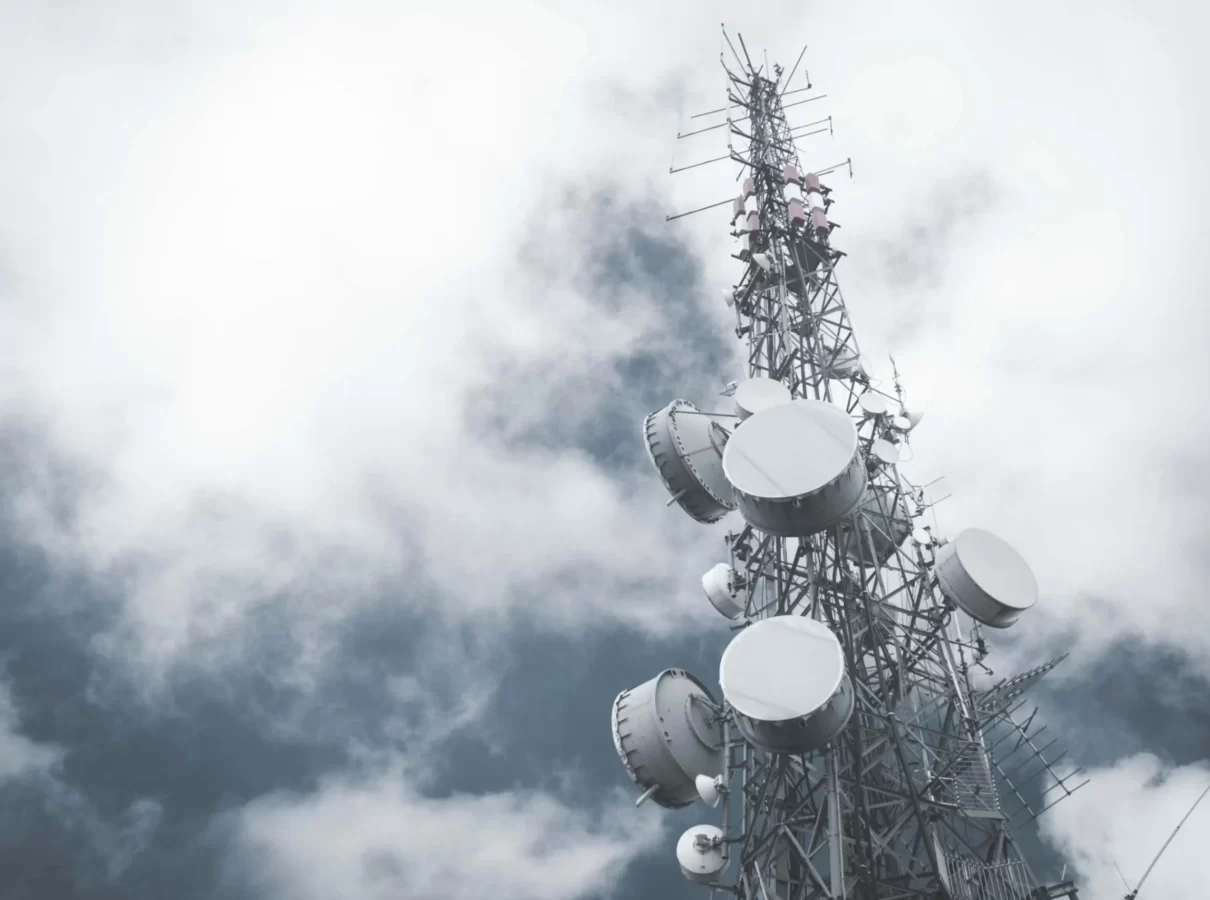
Turkey entered the television and radio broadcasting race relatively late due to legal regulations and bureaucratic hurdles. However, particularly since the 1990s, it has experienced a breakneck period of growth in terms of both technological infrastructure and content production.
Today, terrestrial analog television broadcasting has a utilization rate of just 1% to 2%. This statistic highlights an absolute truth: the analog era is officially dead, and the digital transition is complete. Considering the speed and adoption rates of DVB-S/S2 (Satellite) standards, Turkey has proven highly successful in keeping pace with core broadcasting technologies. However, there is a flip side to this coin: the rapid end-user migration to satellite, combined with the collapse of the terrestrial analog audience, meant that many local broadcasters vanished from the industry, unable to sustain high satellite transponder costs.
Yet, the real wave is only just beginning. We are currently on the precipice of a disruption that is many times faster and more aggressive than the transformation seen since the ’90s. The incredible momentum in information technologies is changing not just the format of broadcasting, but its very definition.
The Great Exam for Traditional Broadcast
Traditional radio and television broadcasting face a monumental test across both content and technology. The declining costs of broadband internet access, coupled with the entirely restructured consumption habits of the younger generation, have pushed conventional broadcasting into an entirely different dimension.
Today’s audience is selective, autonomous, and demands to consume content whenever, wherever, and on whichever device they choose.
Consequently, concepts like OTT, VoD, and IPTV are no longer just technical jargon—they are the highest-funded engines driving the industry forward. Anywhere with an internet connection is now a potential broadcast target. It requires no satellite dish, no receiver box, and zero upfront installation costs for the consumer. As a result, both advertisers and target demographics are rapidly shifting their gaze toward new media. Global giants like Netflix and Hulu, alongside local pioneers like BluTV, clearly map out the new route traditional broadcasters must follow.

A New World Where Everyone is a Broadcaster
Ultimately, broadcasting has broken free from the monopoly of massive studio complexes, high-budget production houses, and transmission towers.
While legacy networks burn millions in capital trying to sustain old infrastructure, the democratization driven by new media has completely rewritten the rules of competition. The master control room is no longer reserved solely for professional networks. In this new ecosystem, your direct competitor might be the neighbor’s kid, your uncle making YouTube videos, or your cousin livestreaming directly from their bedroom.
In this new era, where speed, absolute freedom, and benefit per frame dictate success, relying on legacy reflexes is no longer an option for survival.